Are there any building permits required for a bioclimatic pergola?
As a supplier of bioclimatic pergolas, I often get asked about the need for building permits. It's a crucial question that every potential buyer should consider before installing a bioclimatic pergola. In this blog post, I'll delve into the factors that determine whether you need a building permit for a bioclimatic pergola and provide some insights based on my experience in the industry.
Understanding Bioclimatic Pergolas
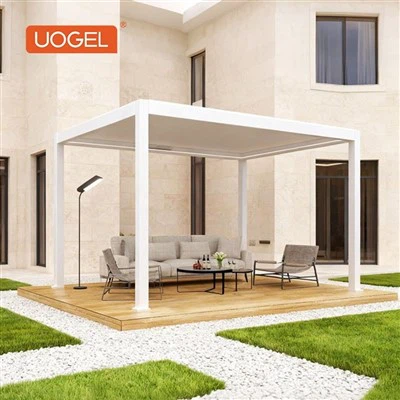
Before we discuss building permits, let's briefly understand what bioclimatic pergolas are. Bioclimatic pergolas are innovative outdoor structures designed to adapt to different weather conditions. They typically feature adjustable louvers that can be opened or closed to control sunlight, shade, and ventilation. These pergolas are made from various materials such as aluminum, fiberglass, and wood, and they come in different styles and sizes to suit different outdoor spaces and aesthetic preferences.
For instance, our Aluminum Pergola With Adjustable Louvers is a popular choice among customers. It offers excellent durability, corrosion resistance, and easy maintenance. The adjustable louvers allow you to customize the amount of sunlight and shade, making it perfect for any season. Another option is our Outdoor Patio With Pergola, which combines the functionality of a pergola with the comfort of an outdoor patio. It's a great addition to any backyard or garden. And if you're looking for a more modern and stylish option, our Modern Fiberglass Pergola With Fixed Louvers is a great choice. It features a sleek design and high-quality fiberglass materials that are both durable and lightweight.
Factors Affecting Building Permit Requirements
The need for a building permit for a bioclimatic pergola depends on several factors, including local building codes, the size and location of the pergola, and the intended use of the structure. Here are some key factors to consider:


Local Building Codes
Building codes vary from one jurisdiction to another, so it's essential to check with your local building department or planning authority to determine the specific requirements in your area. Some areas may have strict regulations regarding the size, height, and placement of outdoor structures, while others may have more lenient rules. In general, if the pergola is considered a permanent structure or if it exceeds certain size limits, you're more likely to need a building permit.
Size and Location
The size and location of the bioclimatic pergola can also affect the need for a building permit. Larger pergolas or those that are attached to the main house are more likely to require a permit than smaller, freestanding structures. Additionally, if the pergola is located in a setback area or near property lines, you may need to obtain a permit to ensure that it complies with local zoning regulations.
Intended Use
The intended use of the bioclimatic pergola can also play a role in determining whether a building permit is required. If the pergola is used for purely decorative purposes or as a simple shade structure, you may not need a permit. However, if it's used for more substantial activities such as hosting events, storing equipment, or as an extension of living space, you're more likely to need a permit.
When a Building Permit Is Usually Required
In many cases, a building permit is required for a bioclimatic pergola if it meets one or more of the following criteria:
- Permanent Structure: If the pergola is attached to the main house or is considered a permanent addition to the property, a building permit is typically required. This is because permanent structures can affect the overall structural integrity of the house and may require proper engineering and construction techniques.
- Size and Height Limits: Most local building codes have specific size and height limits for outdoor structures. If the bioclimatic pergola exceeds these limits, you'll need to obtain a building permit. For example, if the pergola is taller than a certain height or covers a larger area than allowed, a permit will be necessary.
- Electrical or Plumbing Work: If the bioclimatic pergola includes electrical wiring, lighting fixtures, or plumbing connections, a building permit is usually required. This is to ensure that the electrical and plumbing work is installed safely and in compliance with local codes.
When a Building Permit May Not Be Required
There are also situations where a building permit may not be required for a bioclimatic pergola. These include:
- Small, Freestanding Structures: In some areas, small, freestanding pergolas that are below a certain size threshold may not require a building permit. For example, if the pergola is less than a certain square footage and is not attached to the main house, you may be able to install it without a permit. However, it's still a good idea to check with your local building department to confirm.
- Temporary or Decorative Use: If the bioclimatic pergola is used for temporary or decorative purposes and does not exceed certain size and height limits, a building permit may not be necessary. For example, if you're using the pergola for a short-term event or as a simple decorative element in your garden, you may not need a permit.
The Permit Application Process
If you determine that you need a building permit for your bioclimatic pergola, the next step is to apply for the permit. The permit application process can vary depending on your local building department, but it generally involves the following steps:
- Research and Planning: Before applying for a permit, gather all the necessary information and documentation, including detailed plans of the pergola, its dimensions, materials, and location. Make sure the plans comply with local building codes and zoning regulations.
- Submit the Application: Once you have all the required documents, submit the permit application to your local building department. You may need to pay a fee at this stage, which can vary depending on the size and complexity of the project.
- Review and Approval: The building department will review your application and plans to ensure they meet all the necessary requirements. This process can take several weeks or even months, depending on the workload of the department. If there are any issues or concerns, the department may request additional information or modifications to the plans.
- Inspections: Once the permit is approved, you'll need to schedule inspections at various stages of the construction process. These inspections are to ensure that the pergola is being built according to the approved plans and in compliance with local building codes.
Benefits of Obtaining a Building Permit
Even if a building permit is not required for your bioclimatic pergola, there are several benefits to obtaining one:
- Compliance with Regulations: By obtaining a building permit, you ensure that your pergola is built in compliance with local building codes and zoning regulations. This can help you avoid potential fines, penalties, or legal issues in the future.
- Safety and Quality: Building permits typically require inspections at various stages of the construction process, which helps ensure that the pergola is built safely and to a high standard of quality. This can give you peace of mind knowing that your pergola is structurally sound and will last for many years.
- Increased Property Value: A properly permitted and constructed bioclimatic pergola can add value to your property. It can enhance the aesthetic appeal of your outdoor space and make your home more attractive to potential buyers.
Conclusion
In conclusion, whether you need a building permit for a bioclimatic pergola depends on several factors, including local building codes, the size and location of the pergola, and the intended use of the structure. It's important to check with your local building department or planning authority to determine the specific requirements in your area. While obtaining a building permit may seem like a hassle, it's a necessary step to ensure that your pergola is built safely and in compliance with regulations.
If you're considering purchasing a bioclimatic pergola, I encourage you to reach out to us for more information. Our team of experts can help you understand the building permit requirements in your area and guide you through the process. We offer a wide range of high-quality bioclimatic pergolas that are designed to meet your specific needs and preferences. Contact us today to start the conversation and explore your options for enhancing your outdoor space.
References
- Local building codes and regulations from your area's building department or planning authority.
- Industry publications and resources on outdoor structures and building permits.