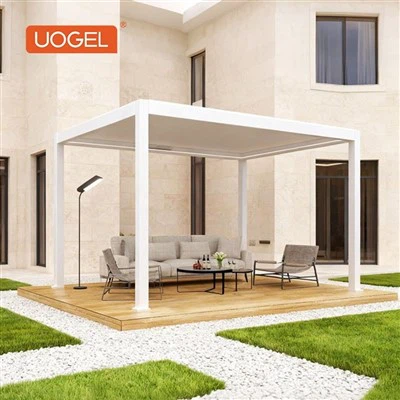
Windproof roller blinds have gained significant popularity in recent years, not only for their ability to shield against strong winds but also for their potential energy - saving benefits. As a supplier of windproof roller blinds, I am often asked whether these installations are truly energy - efficient. In this blog, we will explore this question from a scientific and practical perspective.
Understanding Energy Efficiency in Window Coverings
Before delving into the specific energy - saving qualities of windproof roller blinds, it is essential to understand the concept of energy efficiency in window coverings in general. Windows are one of the most significant sources of heat gain and loss in a building. During the summer, sunlight can penetrate windows, raising the indoor temperature and forcing air - conditioning systems to work harder. In winter, heat can escape through windows, leading to higher heating costs.
Effective window coverings can act as a barrier to reduce these heat transfers. They achieve this through various mechanisms, such as reflecting solar radiation, insulating the interior from the outside temperature, and reducing air infiltration. Energy - efficient window coverings can thus contribute to a more comfortable indoor environment while reducing the overall energy consumption of a building.
How Windproof Roller Blinds Can Save Energy
Solar Heat Gain Reduction
One of the primary ways windproof roller blinds can save energy is by reducing solar heat gain. These blinds are typically made of materials that can absorb or reflect a significant portion of the sun's rays. For example, some windproof roller blinds are coated with a special reflective layer that bounces sunlight away from the window, preventing it from entering the building and heating up the interior spaces.
During the hot summer months, this reduction in solar heat gain can significantly lower the demand on air - conditioning systems. By blocking the sun's heat before it enters the building, the temperature inside remains more stable, and the air - conditioner doesn't have to work as hard to maintain a comfortable temperature. This results in reduced energy consumption and lower electricity bills.
Insulation
In addition to reducing solar heat gain, windproof roller blinds can also provide insulation. When the blinds are fully extended, they create an extra layer of air between the window and the interior of the building. This air layer acts as an insulator, reducing the transfer of heat between the inside and outside.


In the winter, this insulation helps to keep the warm air inside the building, reducing the need for additional heating. Conversely, in the summer, it can prevent the cool air from escaping, making the air - conditioning system more efficient. The effectiveness of the insulation depends on the material of the blinds, their thickness, and how well they fit the window. Some high - quality windproof roller blinds are designed to tightly seal against the window frame, minimizing air leakage and maximizing insulation.
Air Infiltration Prevention
Windproof roller blinds are specifically designed to withstand strong winds. This means they are also effective at preventing air infiltration. When wind blows against a building, it can force air through small cracks and gaps around windows, which can significantly impact the energy efficiency of the building.
By providing a tight seal against the window frame, windproof roller blinds can prevent cold air from entering in the winter and warm air from getting in during the summer. This elimination of air infiltration not only helps to maintain a comfortable indoor temperature but also reduces the workload on heating and cooling systems.
Factors Affecting the Energy Efficiency of Windproof Roller Blinds
Material Selection
The material of the windproof roller blinds plays a crucial role in their energy - saving potential. Different materials have different properties in terms of solar reflectivity, insulation, and durability. For example, blinds made of synthetic fabrics with a high - performance coating are often more effective at reflecting sunlight than those made of natural materials. Similarly, thick, densely woven materials provide better insulation than thin, lightweight ones.
Installation Quality
Proper installation is essential for maximizing the energy efficiency of windproof roller blinds. If the blinds are not installed correctly, there may be gaps around the edges, allowing air to leak in and out. This can significantly reduce the effectiveness of the blinds in terms of solar heat gain reduction, insulation, and air infiltration prevention. It is crucial to ensure that the blinds fit snugly against the window frame and that all mounting hardware is secure.
Usage Patterns
The way the windproof roller blinds are used also affects their energy - saving capabilities. For maximum energy efficiency, the blinds should be adjusted according to the time of day and the season. For example, during the summer, the blinds should be closed during the hottest part of the day to block the sun's heat. In the winter, they can be opened during the day to allow sunlight to warm the interior and closed at night to provide insulation.
Comparing Windproof Roller Blinds with Other Window Coverings
When considering energy - efficient window coverings, it is helpful to compare windproof roller blinds with other options on the market, such as Manual Zip Screen, Motorized Zip Curtain, and Motorized Zip Screen.
Manual zip screens offer a versatile solution for solar protection. They can be easily adjusted to control the amount of sunlight entering a room. However, they may not provide the same level of wind protection and insulation as windproof roller blinds. Motorized zip curtains and screens, on the other hand, offer the convenience of remote control operation. They can be quickly adjusted to respond to changing weather conditions. While they can be effective at reducing solar heat gain, their energy - saving performance may also be influenced by the quality of the installation and the material used.
In comparison, windproof roller blinds are specifically engineered to provide both wind protection and energy efficiency. Their ability to create a tight seal against the window and the use of energy - efficient materials give them an edge in terms of overall energy savings.
Case Studies and Scientific Evidence
Several case studies and scientific research have shown the energy - saving potential of windproof roller blinds. For instance, a study conducted on a commercial building in a coastal area found that installing windproof roller blinds reduced the building's air - conditioning energy consumption by up to 30% during the summer months. The blinds effectively blocked the sun's heat, reducing the load on the cooling system.
In a residential setting, another study showed that windproof roller blinds helped to maintain a more stable indoor temperature during the winter, resulting in a 15% reduction in heating costs. The insulation provided by the blinds prevented heat from escaping through the windows, making the heating system more efficient.
Conclusion and Call to Action
In conclusion, windproof roller blinds can indeed be energy - efficient. Their ability to reduce solar heat gain, provide insulation, and prevent air infiltration makes them a valuable addition to any building looking to improve energy efficiency and reduce energy costs. As a supplier of high - quality windproof roller blinds, we offer a range of products that are designed to meet the specific needs of our customers.
If you are interested in learning more about our windproof roller blinds or would like to discuss a potential purchase, please feel free to reach out to us. We are more than happy to provide you with detailed product information, answer your questions, and assist you in selecting the best solution for your energy - saving needs.
References
- "Energy - Efficient Window Treatments: A Guide for Homeowners", U.S. Department of Energy.
- "The Impact of Window Coverings on Building Energy Consumption", Journal of Building Physics.
- Case studies on the energy efficiency of windproof roller blinds, various industry reports.