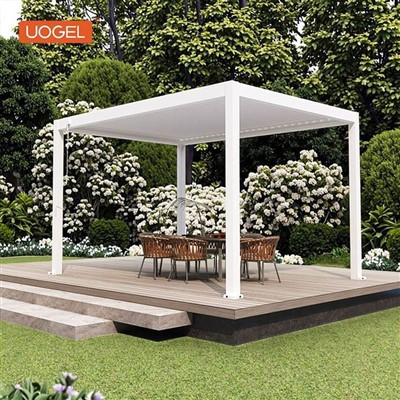
When it comes to outdoor living spaces, an aluminium gazebo with a louvered roof is a popular choice for many homeowners and commercial property owners. These structures offer a unique combination of style, functionality, and durability. One of the key considerations for anyone investing in such a gazebo is its heat - retention capabilities. In this blog post, I'll delve into the factors that affect heat retention in an aluminium gazebo with a louvered roof, drawing on my experience as a supplier of these high - quality structures.
The Basics of Heat Retention in an Aluminium Gazebo
Aluminium is a common material used in gazebo construction due to its lightweight, corrosion - resistant, and strong nature. However, its thermal properties play a crucial role in how well the gazebo retains heat. Aluminium is a good conductor of heat. This means that during the day, when the sun beats down on the gazebo, the aluminium parts can quickly absorb and transfer heat into the interior of the structure.
The louvered roof, on the other hand, adds an extra layer of complexity to the heat - retention equation. Louvers are adjustable slats that can be opened or closed to control sunlight, ventilation, and to some extent, heat. When the louvers are closed, they can act as a barrier, reducing the direct entry of sunlight and heat into the gazebo. But when they are open, more sunlight and heat can penetrate, increasing the internal temperature.
Factors Affecting Heat Retention
1. Sun Exposure
The amount of sun exposure the gazebo receives is a significant factor. If the gazebo is placed in a location where it gets direct sunlight for most of the day, especially during peak hours, it will absorb more heat. For example, a gazebo installed in an open, south - facing area of a garden will likely heat up more quickly than one placed under the shade of a large tree or on the north side of a building.

2. Louver Angle and Configuration
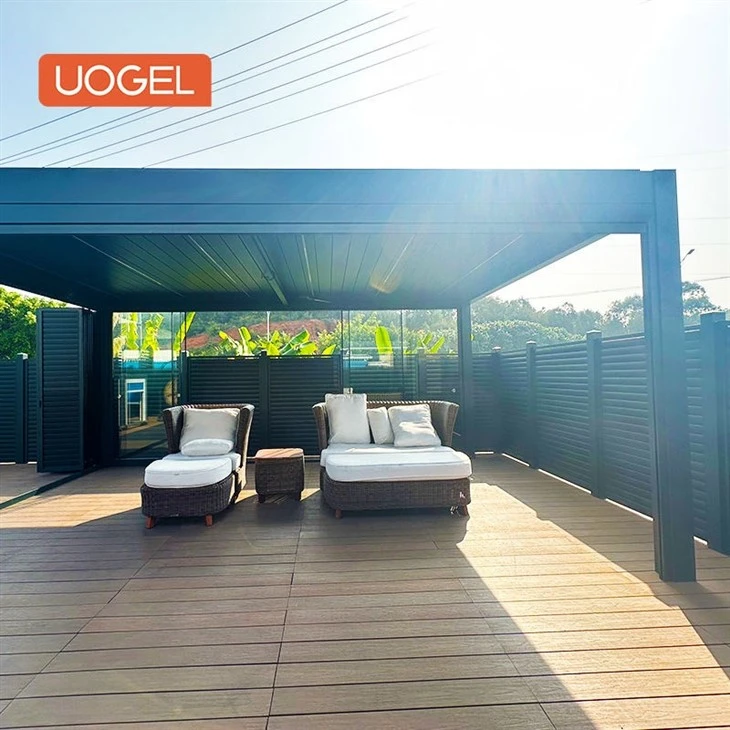
The angle at which the louvers are set can greatly influence heat retention. When the louvers are fully closed, they block a large portion of the sun's rays, reducing heat gain. A horizontal or near - horizontal louver position can be effective in shading the interior. However, if the louvers are set at a steep angle, more sunlight can pass through, increasing the temperature inside.
3. Insulation
While aluminium itself is not a great insulator, some gazebos may come with additional insulation features. Insulating materials can be added to the roof or walls of the gazebo to reduce heat transfer. For instance, a layer of thermal insulation under the louvered roof can help keep the interior cooler during the day and warmer during cooler evenings.
4. Ventilation
Proper ventilation is essential for managing heat retention. When the louvers are open, they allow hot air to escape and fresh air to enter. This natural ventilation can prevent the build - up of excessive heat inside the gazebo. Additionally, some gazebos may be designed with additional ventilation features such as vents at the top or sides, which further enhance air circulation.
Heat Retention in Different Seasons
Summer
In summer, the main goal is usually to keep the gazebo as cool as possible. By closing the louvers during the hottest parts of the day, you can block out a significant amount of sunlight and heat. However, it's also important to open the louvers slightly or use additional ventilation to allow hot air to escape. The aluminium structure may still absorb some heat, but with proper louver control and ventilation, the interior can remain relatively comfortable.
Winter
During winter, heat retention becomes more important. Closing the louvers can help trap the limited sunlight and heat that enters the gazebo. The aluminium, which has absorbed some of the sun's warmth during the day, can slowly release it into the interior, keeping the space a bit warmer. Some users may also choose to use additional heating sources such as patio heaters inside the gazebo to further increase the temperature.
Benefits of Controllable Heat Retention
The ability to control heat retention in an aluminium gazebo with a louvered roof offers several benefits. In summer, it allows for a comfortable outdoor living space where you can relax without being overheated. You can adjust the louvers according to the time of day and the sun's position to create the perfect balance of light and shade.
In winter, the controllable heat retention can extend the usability of the gazebo. You can enjoy the outdoors even on cooler days, using the gazebo as a cozy retreat. This versatility makes the aluminium gazebo with a louvered roof a great investment for year - round use.
Comparing with Other Outdoor Structures
When compared to other outdoor structures like a traditional wooden pergola or a simple canvas - covered gazebo, an aluminium gazebo with a louvered roof has unique heat - retention advantages. A wooden pergola may absorb and retain heat in a different way, but it lacks the adjustable ventilation and shading capabilities of a louvered roof. A canvas - covered gazebo may provide good shade but can become stuffy and hot due to poor ventilation.
Our Black Aluminium Pergola and Pergola With Roof That Opens And Closes offer similar features in terms of adjustable heat control. The louvered roof design allows for a high level of customization, making it suitable for various climate conditions.
Conclusion
In conclusion, the heat - retention in an aluminium gazebo with a louvered roof is a complex but controllable aspect. By understanding the factors that affect heat retention, such as sun exposure, louver angle, insulation, and ventilation, users can make the most of their gazebo throughout the year. Whether it's a hot summer day or a cool winter afternoon, the adjustable nature of the louvered roof allows for a comfortable and enjoyable outdoor experience.
If you're interested in learning more about our Aluminium Gazebo with Louvered Roof or other related products like our Pergola Open Close Roof, feel free to reach out. We're here to answer any questions you may have and guide you through the process of selecting the perfect outdoor structure for your needs. Let's start a conversation about how we can enhance your outdoor living space.
References
- ASTM International. (20XX). Standard test methods for thermal performance of building materials and envelopes.
- ASHRAE Handbook. (20XX). Fundamentals volume.
- Outdoor Living Association. (20XX). Best practices for outdoor structure installation and use.