


What is the water penetration resistance of narrow frame sliding glass doors?
As a supplier of Narrow Frame Sliding Glass Doors, I often encounter inquiries from customers about the water penetration resistance of these doors. This is a crucial aspect, especially for those living in areas with high rainfall or near coastal regions. In this blog, I will delve into the concept of water penetration resistance, how it is measured, and the factors that affect it in narrow frame sliding glass doors.
Understanding Water Penetration Resistance
Water penetration resistance refers to the ability of a building envelope component, in this case, a narrow frame sliding glass door, to prevent water from entering the interior space under specific pressure differentials and weather conditions. It is not just about keeping water out during a gentle drizzle; it is about withstanding heavy rain, wind-driven rain, and even storms without allowing water to seep through.
The water penetration resistance of a door is typically expressed in terms of the maximum pressure difference (in Pascals or pounds per square foot) that the door can withstand without water penetration. This pressure difference is created by the wind acting on the exterior surface of the door while the interior remains at a relatively stable pressure.
Measuring Water Penetration Resistance
The water penetration resistance of narrow frame sliding glass doors is measured through standardized testing procedures. One of the most commonly used tests is the ASTM E331 test, which simulates wind-driven rain conditions. In this test, a test specimen of the door is installed in a test chamber, and a specific amount of water is sprayed onto the exterior surface while a pressure difference is applied across the specimen. The pressure is gradually increased until water penetration occurs. The maximum pressure at which no water penetration is observed is recorded as the water penetration resistance of the door.
Another important test is the AAMA 501.1 test, which focuses on the field performance of the doors. This test involves inspecting the doors in real-world settings and evaluating their ability to resist water penetration under actual weather conditions.
Factors Affecting Water Penetration Resistance in Narrow Frame Sliding Glass Doors
Several factors can influence the water penetration resistance of narrow frame sliding glass doors. Understanding these factors can help customers make informed decisions when choosing the right doors for their homes or commercial buildings.
- Frame Design: The design of the frame plays a crucial role in water penetration resistance. A well-designed frame should have proper drainage channels to allow water to escape quickly. Narrow frame sliding glass doors are designed to have minimal frames, which can sometimes make it challenging to incorporate adequate drainage. However, modern manufacturers use advanced engineering techniques to create frames with efficient drainage systems. For example, some frames have hidden drainage channels that are not visible from the outside, which not only improves the aesthetic appeal of the doors but also enhances their water resistance.
- Sealing Systems: High-quality seals are essential for preventing water from seeping through the gaps between the glass and the frame, as well as between the door panels. There are different types of seals used in narrow frame sliding glass doors, including weatherstripping, gaskets, and silicone seals. Weatherstripping is typically made of rubber or foam and is used to seal the edges of the door panels. Gaskets are used to provide a tight seal between the glass and the frame. Silicone seals are often used in areas that require a more flexible and durable seal.
- Glass Quality: The type and quality of the glass used in the doors can also affect their water penetration resistance. Tempered glass is a popular choice for narrow frame sliding glass doors because it is stronger and more resistant to breakage than regular glass. Additionally, some glass manufacturers offer glass with special coatings that can improve its water repellency. These coatings cause water to bead up and roll off the glass surface, reducing the likelihood of water penetration.
- Installation: Proper installation is crucial for ensuring the water penetration resistance of narrow frame sliding glass doors. Even the best-designed doors can fail to perform if they are not installed correctly. Installers should follow the manufacturer's instructions carefully and ensure that the doors are level, plumb, and properly sealed. They should also pay attention to the flashing and caulking around the doors to prevent water from entering through the gaps between the door and the wall.
Benefits of High Water Penetration Resistance
Investing in narrow frame sliding glass doors with high water penetration resistance offers several benefits.
- Protection Against Water Damage: By preventing water from entering the interior space, these doors protect your floors, walls, and furniture from water damage. Water damage can lead to mold growth, rot, and structural damage, which can be costly to repair.
- Energy Efficiency: A door with good water penetration resistance also helps to improve the energy efficiency of your home or building. When water seeps through the doors, it can carry heat or cold with it, causing your heating or cooling system to work harder to maintain a comfortable temperature. By keeping water out, the doors help to reduce energy consumption and lower your utility bills.
- Enhanced Comfort: High water penetration resistance means less noise from rain and wind, which can create a more comfortable and peaceful indoor environment. You can enjoy the view of the outdoors without being disturbed by the sound of water hitting the doors.
Our Product Range
At our company, we offer a wide range of Narrow Frame Sliding Glass Doors that are designed to provide excellent water penetration resistance. Our doors are available in different styles, sizes, and finishes to suit the needs of any project.
In addition to our standard narrow frame sliding glass doors, we also offer Pergola Frameless Sliding Glass Doors, which provide a sleek and modern look. These doors are ideal for creating a seamless transition between indoor and outdoor spaces, while still offering high water penetration resistance.
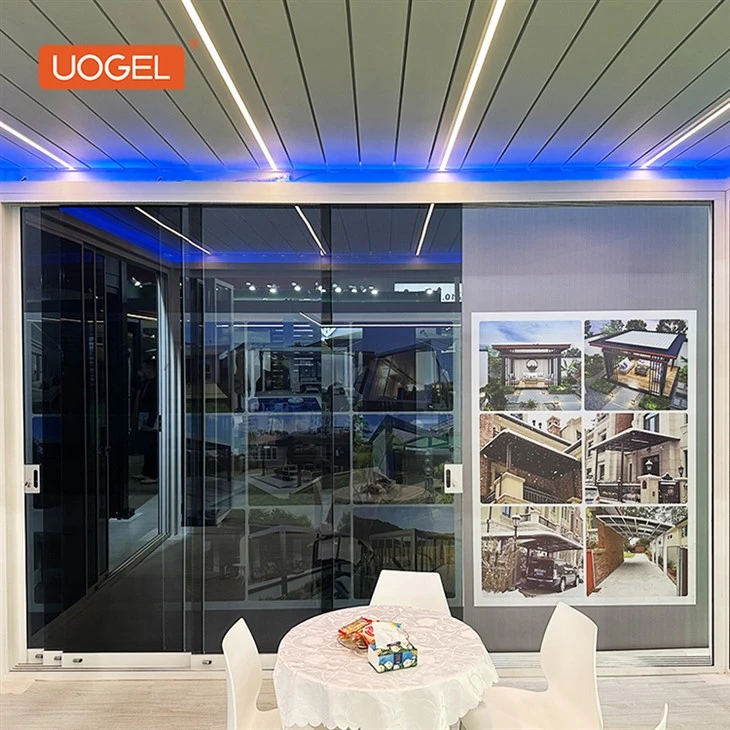

For larger openings, we have Multi - track Narrow Frame Sliding Glass Doors. These doors allow for multiple panels to slide past each other, providing unobstructed views and easy access to the outdoors. Despite their large size, our multi - track doors are engineered to resist water penetration effectively.
Conclusion
Water penetration resistance is a critical factor to consider when choosing narrow frame sliding glass doors. By understanding the concept, how it is measured, and the factors that affect it, you can make an informed decision and select the doors that best meet your needs. Our company is committed to providing high - quality doors with excellent water penetration resistance. If you are interested in learning more about our products or would like to discuss your specific requirements, please feel free to contact us for a purchase negotiation. We look forward to working with you to enhance the functionality and aesthetics of your space.
References
- American Society for Testing and Materials (ASTM). ASTM E331 - Standard Test Method for Water Penetration of Exterior Windows, Skylights, Doors, and Curtain Walls by Uniform Static Air Pressure Difference.
- American Architectural Manufacturers Association (AAMA). AAMA 501.1 - Voluntary Test Method for Field Water Penetration Testing of Installed Exterior Windows, Skylights, and Doors.


