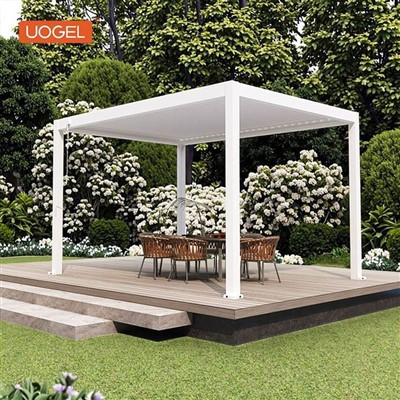
When it comes to optional glass doors, one frequently asked question is, "What is the weight of optional glass doors?" Understanding the weight of these doors is crucial for various reasons, from installation requirements to structural considerations. As a supplier of optional glass doors, I am here to shed light on this topic and provide you with comprehensive insights.
Factors Influencing the Weight of Optional Glass Doors
The weight of optional glass doors is not a one - size - fits - all value. It is determined by several key factors:
1. Glass Thickness
The thickness of the glass is a primary determinant of the door's weight. Thicker glass is heavier than thinner glass. For instance, a standard 3mm thick glass panel will be significantly lighter than a 10mm thick one. In general, as the glass thickness increases, so does the overall strength and insulation properties of the door, but at the cost of added weight.


2. Door Size
The dimensions of the door play a major role in its weight. Larger doors naturally require more glass and framing materials, resulting in a higher weight. A small, single - panel glass door for a closet will weigh much less than a large, multi - panel sliding glass door for a patio.
3. Frame Material
The type of frame used in the glass door also affects its weight. Aluminum frames are relatively lightweight compared to steel or wood frames. Aluminum is a popular choice for many optional glass doors due to its corrosion resistance and lightness, which makes installation easier. On the other hand, steel frames are heavier but offer greater strength and security.
4. Glass Type
Different types of glass have different densities, which in turn affect the weight of the door. Tempered glass, which is heat - treated for strength, is slightly heavier than regular annealed glass. Laminated glass, which consists of multiple layers of glass bonded together with a plastic interlayer, is also heavier due to the additional materials.
Weight Ranges of Different Optional Glass Doors
Let's take a look at the weight ranges of some common types of optional glass doors:
Multi - track Narrow Frame Sliding Glass Doors
These doors are popular for their sleek appearance and space - saving design. The weight of Multi - track Narrow Frame Sliding Glass Doors can vary depending on the number of panels, glass thickness, and frame material. A typical two - panel multi - track narrow frame sliding glass door with 6mm thick tempered glass and an aluminum frame may weigh around 80 - 120 kilograms. However, if you opt for a four - panel door with 8mm thick glass, the weight can increase to 180 - 250 kilograms.
Gazebo Sliding Glass Door
Gazebo sliding glass doors are designed to provide a clear view of the outdoors while protecting the interior from the elements. These doors often have larger panels and may be made with thicker glass for better insulation. The weight of a Gazebo Sliding Glass Door with a 10mm thick glass panel and a steel frame can range from 150 - 300 kilograms, depending on the size of the door.
Narrow Frame Sliding Glass Doors
Narrow frame sliding glass doors are known for their modern and minimalist look. They are commonly used in residential and commercial settings. A single - panel narrow frame sliding glass door with 4mm thick glass and an aluminum frame may weigh around 30 - 50 kilograms. For a double - panel door with 6mm thick glass, the weight can be between 60 - 100 kilograms.
Importance of Knowing the Weight
Installation
Knowing the weight of the optional glass door is essential for proper installation. Installers need to ensure that the door frame and the supporting structure can handle the weight of the door. If the weight is underestimated, it can lead to issues such as sagging, misalignment, and even structural damage over time.
Transportation
The weight of the door also affects transportation. Heavier doors require more robust handling equipment and may incur higher shipping costs. It is important to plan for the transportation of the door carefully to avoid any damage during transit.
Safety
Understanding the weight of the door is crucial for safety reasons. Doors that are too heavy for their installation can pose a risk to users. For example, if a sliding glass door is too heavy and the track is not properly installed, it may derail and cause injury.
How We Can Help
As a supplier of optional glass doors, we have a team of experts who can assist you in choosing the right door for your needs. We can provide detailed information about the weight, dimensions, and specifications of our products. Our doors are manufactured using high - quality materials and advanced manufacturing techniques to ensure durability and performance.
If you are in the process of planning a project that requires optional glass doors, we encourage you to contact us for a consultation. We can help you determine the most suitable door based on your space, budget, and design preferences. Whether you need a small closet door or a large patio door, we have the expertise and the products to meet your requirements.
Conclusion
The weight of optional glass doors is influenced by various factors, including glass thickness, door size, frame material, and glass type. Different types of optional glass doors, such as multi - track narrow frame sliding glass doors, gazebo sliding glass doors, and narrow frame sliding glass doors, have different weight ranges. Understanding the weight of these doors is important for installation, transportation, and safety.
If you are interested in purchasing optional glass doors, we invite you to get in touch with us. Our team is ready to assist you in making the right choice and ensuring a smooth procurement process.
References
- "Glass Door Installation Guide", Home Improvement Association
- "Materials and Design of Modern Glass Doors", Architectural Digest
- "Safety Standards for Glass Doors", National Building Code