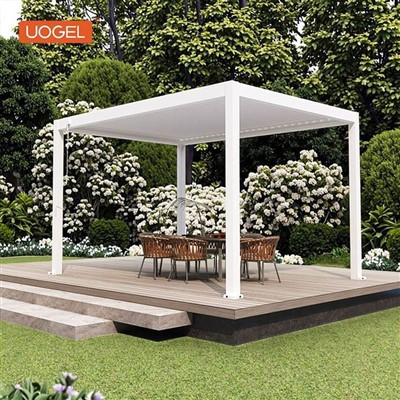
When it comes to enhancing the functionality and aesthetics of a gazebo, a sliding glass door is an excellent addition. As a leading supplier of Gazebo Sliding Glass Doors, I often get asked about the materials used in their construction. Understanding these materials is crucial for customers as it helps them make informed decisions based on their needs, preferences, and budget. In this blog post, I'll delve into the primary materials used to make Gazebo Sliding Glass Doors and explain their benefits.
Glass
The most prominent material in a sliding glass door is, of course, the glass itself. Different types of glass are used, each with its own set of characteristics and advantages.
Tempered Glass
Tempered glass is a popular choice for gazebo sliding glass doors. It is made by heating regular glass to a high temperature and then rapidly cooling it. This process makes the glass stronger and more resistant to breakage compared to ordinary glass. In the event that tempered glass does break, it shatters into small, blunt pieces rather than large, sharp shards, which significantly reduces the risk of injury. This safety feature is especially important in a gazebo where people may be moving around freely.
Tempered glass also offers good thermal insulation properties. It helps to keep the interior of the gazebo cooler in the summer and warmer in the winter, reducing energy costs associated with heating and cooling. Additionally, it can withstand a wide range of temperatures, making it suitable for use in various climates.
Laminated Glass
Laminated glass consists of two or more layers of glass bonded together with a plastic interlayer. This interlayer holds the glass together even when it is broken, preventing it from shattering and falling apart. Laminated glass provides enhanced security and safety, making it a great option for gazebos located in areas where security is a concern.
It also offers excellent sound insulation. If your gazebo is in a noisy environment, such as near a busy road or a high - traffic area, laminated glass can help to reduce the amount of outside noise that enters the gazebo, creating a more peaceful and comfortable environment.
Low - E Glass
Low - emissivity (Low - E) glass has a special coating that reflects heat while allowing visible light to pass through. This means that in the summer, it can reflect the sun's heat away from the gazebo, keeping the interior cool. In the winter, it can reflect the heat back into the gazebo, helping to maintain a warm temperature. Low - E glass can significantly improve the energy efficiency of the gazebo, reducing the need for excessive heating and cooling.
Frames
The frames of a gazebo sliding glass door play a crucial role in supporting the glass and providing stability. Different materials are used for frames, each with its own unique properties.
Aluminum Frames
Aluminum is a widely used material for gazebo sliding glass door frames. It is lightweight, which makes the doors easy to slide open and close. Despite its light weight, aluminum is also very strong and durable. It is resistant to rust and corrosion, making it suitable for outdoor use in all types of weather conditions.
Aluminum frames can be easily customized in terms of color and finish. You can choose from a variety of colors to match the style of your gazebo. They also require minimal maintenance, usually just an occasional cleaning to keep them looking their best.
Vinyl Frames
Vinyl frames are another popular option. They are known for their excellent insulation properties. Vinyl is a poor conductor of heat, which means it can help to keep the gazebo well - insulated. This can lead to energy savings by reducing the amount of heat transfer through the doors.
Vinyl frames are also very low - maintenance. They do not require painting or staining, and they are resistant to rot, mildew, and insects. They are available in a range of colors and styles, allowing you to find a frame that complements the look of your gazebo.
Wood Frames
Wood frames offer a natural and warm aesthetic that can enhance the beauty of a gazebo. They can be made from various types of wood, such as cedar, redwood, or oak. Wood has good insulation properties and can provide a certain level of soundproofing.
However, wood frames require more maintenance compared to aluminum and vinyl frames. They need to be regularly painted or stained to protect them from the elements. Wood is also susceptible to rot and insect damage if not properly cared for. But with proper maintenance, a wood - framed sliding glass door can last for many years and add a touch of elegance to your gazebo.
Hardware
The hardware used in a gazebo sliding glass door is essential for its smooth operation.
Rollers
Rollers are used to allow the doors to slide smoothly along the tracks. High - quality rollers are typically made of durable materials such as stainless steel or nylon. Stainless steel rollers are strong and resistant to corrosion, while nylon rollers are quiet and offer a smooth glide.
Handles
Handles are used to open and close the doors. They can be made from various materials, including metal, plastic, or wood. Metal handles are usually strong and durable, while plastic handles can be more affordable and come in a variety of colors. Wood handles can add a natural and warm touch to the doors.
Locks
Locks are an important security feature for gazebo sliding glass doors. They can be made from metal and are designed to prevent unauthorized access. There are different types of locks available, such as deadbolts and keyed locks, depending on your security needs.


Choosing the Right Materials for Your Gazebo Sliding Glass Door
When selecting the materials for your gazebo sliding glass door, you need to consider several factors. First, think about the climate in your area. If you live in a hot and sunny climate, Low - E glass and good - insulating frames may be a priority. If you are in a rainy or humid area, corrosion - resistant materials like aluminum frames are a better choice.
Your budget is also an important consideration. Some materials, such as laminated glass and wood frames, can be more expensive than others. You need to balance your desire for high - quality materials with your financial constraints.
The style of your gazebo is another factor. You want the sliding glass door to complement the overall look of the gazebo. For example, if your gazebo has a modern design, aluminum frames with a sleek finish may be a good option. If it has a more traditional or rustic look, wood frames might be more appropriate.
As a supplier of Gazebo Sliding Glass Doors, we offer a wide range of options to meet your specific needs. Whether you are looking for Pergola Frameless Sliding Glass Doors, Pergola Folding Glass Doors, or Narrow Frame Sliding Glass Doors, we have the expertise and products to help you create the perfect gazebo.
If you are interested in learning more about our Gazebo Sliding Glass Doors or would like to discuss your specific requirements, we invite you to contact us for a procurement discussion. Our team of experts is ready to assist you in choosing the right materials and design for your gazebo.
References
- "Glass and Glazing Technology" by John W. Lyons
- "Building Materials and Construction Methods" by Edward Allen and Joseph Iano
- Manufacturer's specifications for aluminum, vinyl, and wood used in door frames