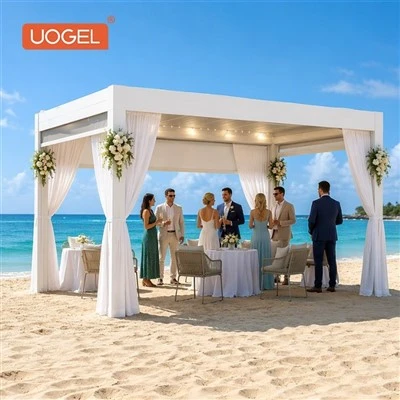
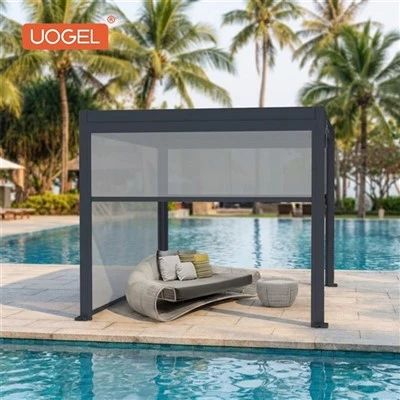
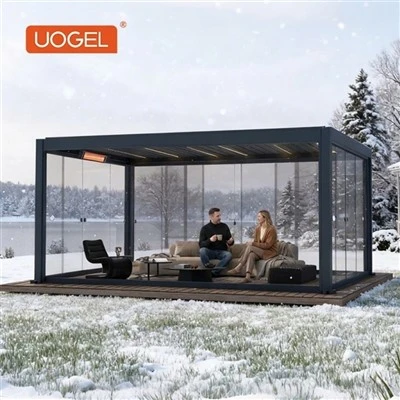
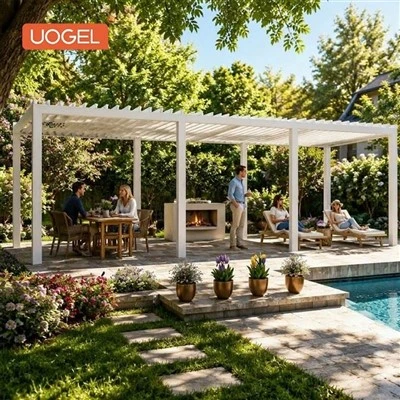
A pavilion, also known as a pavilion, is a small building with strong independence, usually used for rest, viewing or shelter from the rain. Building a pavilion can provide residents with a comfortable resting place and increase the cultural atmosphere of the community, so it is considered not to be an illegal construction.
There are several factors to consider for the construction of a pavilion that is not considered an illegal construction:
1. Land planning: Before building a pavilion, you need to understand the local land planning policy. Land planning in different regions may have different restrictions on the construction of pavilions. Some places stipulate the maximum size, height, floor area and other requirements of the pavilion, and you only need to build the pavilion within the specified range.
2. Building permit: According to the building regulations of different regions, a building permit may be required for larger pavilions or permanent pavilions. Pavilions are generally independent small buildings, and their construction needs to comply with local building requirements and safety standards. When applying for a building permit, you may need to provide detailed design drawings, structural materials and other information to ensure that the construction of the pavilion meets the corresponding safety standards.
3. Reasonable use: The construction of the pavilion should have a reasonable purpose, such as providing a place for leisure and entertainment for community residents, or a part of the garden landscape. The purpose of the pavilion should be in line with the public interest and the needs of the community, and be conducive to the cultural construction of the community and the welfare of the residents.
4. Impact on the surrounding environment and neighborhood relations: The construction of the pavilion should take into account the surrounding environment and neighborhood relations as much as possible, especially in residential areas. It is advisable to choose a suitable location to avoid affecting the lives and use of others. At the same time, when building the pavilion, aesthetics and environmental protection should be considered, and appropriate designs and materials should be selected to ensure the coordination and sustainability of the pavilion with the surrounding environment.