1. Common material types and characteristics of pavilions
As an outdoor landscape building, the material selection of the pavilion must take into account aesthetics, durability and functionality. The following are 6 mainstream materials and their characteristics:
1. Wood
- Natural wood: such as pine, fir, and teak, with natural texture and easy processing, suitable for traditional Chinese or pastoral style pavilions. However, it needs regular anti-corrosion and anti-termite treatment, and its lifespan is about 10-15 years (data source: "Garden Building Materials Handbook").
- Anticorrosive wood: Chemically treated wood (such as ACQ preservative soaking), moisture-proof and insect-resistant performance is improved, and the lifespan can reach more than 20 years, but the environmental protection is slightly inferior to natural wood.
2. Metal material
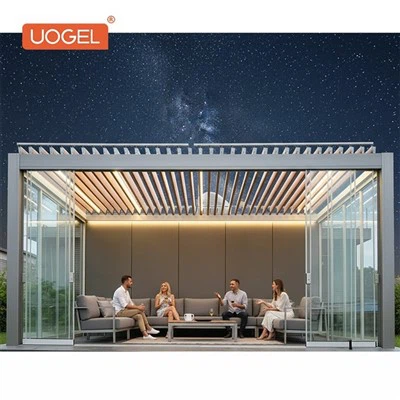
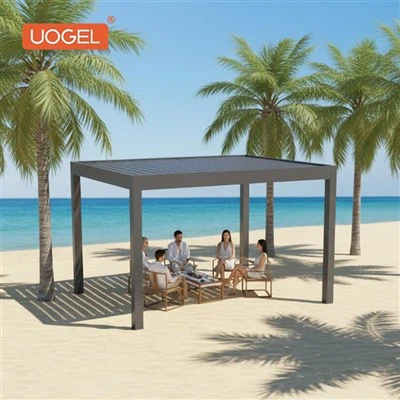
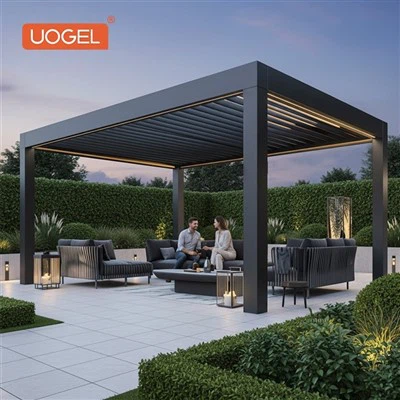
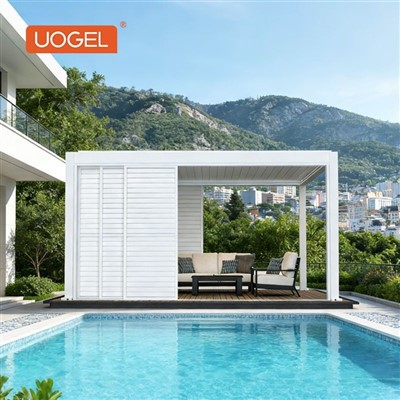
- Aluminum alloy: light and corrosion-resistant, suitable for modern simple design, maintenance-free and lifespan of 30 years, but poor thermal insulation.
- Cast iron/wrought iron: commonly used in classical European pavilions, beautifully shaped but easy to rust, need regular painting and maintenance, and high cost.
3. Stone
Natural stones such as granite and marble are durable and have a lifespan of more than 50 years, but they are heavy and require a reinforced foundation, making them suitable for long-term landscapes. Artificial stone can simulate natural textures and reduce prices by about 30%-40% (reference: China Stone Association 2023 report).
2. Special materials and emerging trends
4. Bamboo
Environmentally friendly and renewable, suitable for ecological gardens, requires carbonization treatment to prevent mildew, and has a lifespan of about 8-12 years. Commonly used in Southeast Asian style pavilions.
5. Concrete
Precast concrete pavilions have low costs and diverse shapes. They can imitate other materials through dyeing or veneer, but have poor air permeability.
6. Composite materials
Such as wood plastic (WPC), which combines the appearance of wood with the weather resistance of plastic, is maintenance-free and has a lifespan of 25 years, but is easily deformed at high temperatures.
3. Material selection suggestions
- Climate adaptation: Anticorrosive wood and aluminum alloy are preferred in humid areas; stone or concrete is recommended in windy areas.
- Budget considerations: bamboo and pine are cost-effective; cast iron and natural stone are high-end options.
- Maintenance costs: metal and composite materials are almost maintenance-free, while natural wood needs to be coated with protective agents every year.