


Hey there! As a supplier of pergolas with motorized louvers, I often get asked about the materials used to make these awesome structures. So, I thought I'd break it down for you and give you the lowdown on what goes into creating a top-notch motorized louver pergola.
Frame Materials
Aluminum
Aluminum is hands down one of the most popular choices for pergola frames. It's lightweight, which makes it easy to install and transport. But don't let its lightness fool you – it's also incredibly strong and durable. Aluminum doesn't rust, so it can withstand all kinds of weather conditions, from scorching sun to heavy rain. This means your pergola will look great and stay in good shape for years to come.
Another advantage of aluminum is that it's highly customizable. We can paint it in a wide range of colors to match your outdoor decor. Whether you want a classic white, a sleek black, or a bold color to make a statement, aluminum can be finished to your liking.
Steel
Steel is another option for pergola frames. It's known for its extreme strength and stability. If you're looking for a pergola that can handle high winds or heavy snow loads, steel might be the way to go. However, steel does require more maintenance than aluminum. It can rust if not properly protected, so it usually needs to be painted or coated to prevent corrosion.
Despite the extra maintenance, steel offers a very industrial and modern look. It can give your pergola a bold and edgy aesthetic that some people really love.
Wood
Wood has a natural charm that's hard to beat. It gives your pergola a warm and inviting feel, making it a great addition to any backyard. Popular wood choices for pergolas include cedar, redwood, and teak. These woods are naturally resistant to rot and insects, which is a big plus.
However, wood does require regular maintenance. You'll need to stain or seal it every few years to keep it looking good and protect it from the elements. Wood also tends to be more expensive than aluminum or steel, but many people think the natural beauty is worth the extra cost.
Louver Materials
Polycarbonate
Polycarbonate is a common material for motorized louver blades. It's lightweight, yet strong and shatter-resistant. Polycarbonate louvers can provide excellent protection from the sun's UV rays while still allowing some light to filter through. This creates a comfortable and shaded area under your pergola.
One of the great things about polycarbonate is that it comes in different colors and opacities. You can choose a clear polycarbonate for maximum light transmission or a tinted one for more privacy and sun protection.
Aluminum
Just like with the frame, aluminum can also be used for the louvers. Aluminum louvers are durable, lightweight, and easy to operate. They can be adjusted to control the amount of sunlight and ventilation in your pergola.
Aluminum louvers are also available in a variety of colors, so you can match them to the frame of your pergola. They offer a sleek and modern look that works well with contemporary outdoor designs.
Motor and Control System
The motor and control system are crucial components of a motorized louver pergola. Most motors used in these pergolas are electric. They're designed to be quiet and efficient, allowing you to easily adjust the louvers with the push of a button.
The control system can be a remote control, a wall-mounted switch, or even a smartphone app. This gives you the flexibility to operate your pergola from anywhere in your yard. Some advanced systems also allow you to set timers or integrate with home automation systems.
Other Considerations
When choosing materials for your motorized louver pergola, it's important to consider the overall style and functionality you want. You also need to think about your budget and how much maintenance you're willing to do.

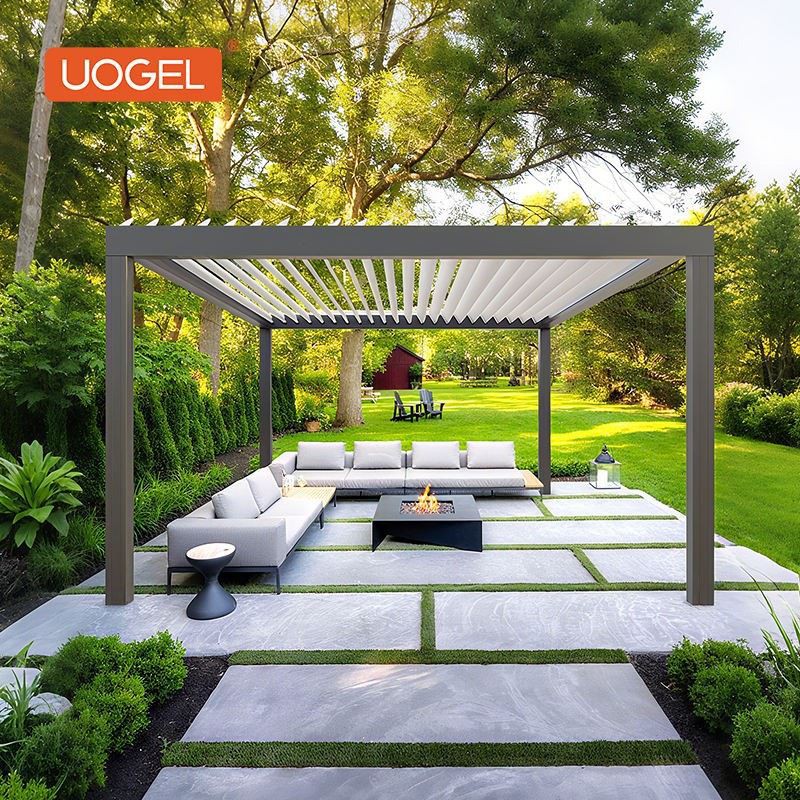
For example, if you have a large outdoor space and want a pergola that can provide a lot of shade, a 20x12 Gazebo might be a great option. It offers a spacious area for entertaining or relaxing.
If you're on a tighter budget or prefer a more manual option, you might want to check out a Louver Manual Pergola. It gives you the same louvered design without the motorized features.
And of course, if you're all about the latest technology and convenience, a Pergola With Motorized Roof is the way to go. It allows you to easily adjust the louvers to control the amount of sunlight and ventilation in your outdoor space.
Conclusion
So, there you have it – a breakdown of the materials used to make a pergola with motorized louvers. Each material has its own advantages and disadvantages, so it's important to choose the ones that best suit your needs and preferences.
If you're interested in purchasing a motorized louver pergola, I'd love to talk to you. We offer a wide range of options in terms of materials, sizes, and styles. Whether you're looking for a small, intimate pergola for your backyard or a large one for a commercial space, we can help you find the perfect solution. Just reach out to us, and we'll be happy to discuss your project and provide you with a quote.
References
- Home Improvement Guides: Various sources on outdoor structures and materials
- Industry Publications on Pergola Manufacturing


