1. Wooden pavilion: classic natural styleWooden pavilions are suitable for long-term use. You need to lay cement floors or compact the soil to ensure a stable foundation. It is recommended to use "double insurance" to fix the columns: after pouring the base with concrete, insert the anticorrosive wooden columns into the pre-buried metal fixtures. The top frame can use the traditional mortise and tenon structure, or use modern angle iron reinforcement. Pay special attention to the anti-corrosion treatment of wood. It is recommended to use a combination of tung oil + wood wax oil, which needs to be reapplied and maintained every 2 years. Decoration can be matched with hanging flower baskets and solar string lights, which can both prevent rain and create an atmosphere.
2. Bamboo pavilion: low-cost ecological solutionSelect bamboo with a diameter of more than 8cm, and retain bamboo nodes when cutting to enhance load-bearing. The installation of the columns requires a foundation pit of 50cm deep, and the backfill soil is compacted in layers. The top adopts a double-layer structure: the bottom layer is woven into a mesh support layer with bamboo slices, and the upper layer is covered with waterproof canvas. Key nodes can be reinforced with stainless steel hoops, which can not only maintain the natural texture of bamboo, but also extend its service life. In the rainy areas of the south, it is recommended to check the mildew of bamboo every month, and boric acid solution can be used for insect prevention.
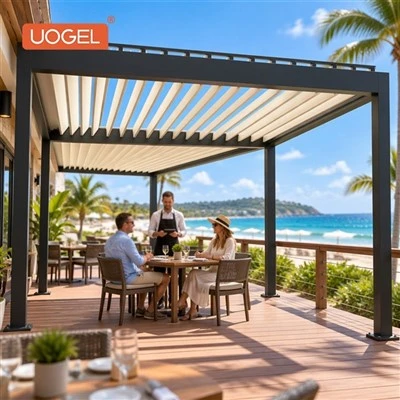
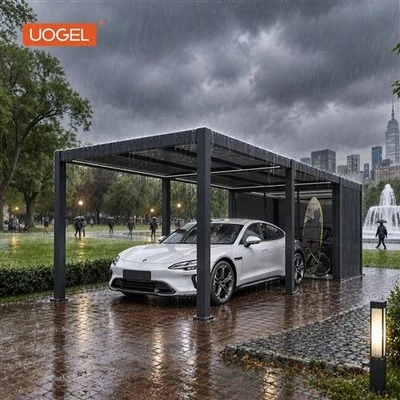
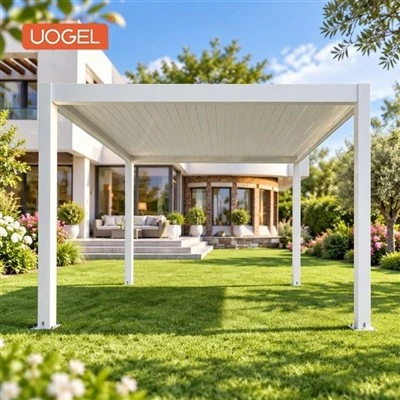
3. Aluminum alloy pavilion: a modern and simple choiceChoose aluminum alloy profiles with a wall thickness of more than 1.2mm, and assemble them in the order of bottom column → side beam → cross beam. Rubber gaskets need to be installed at all joints to prevent abnormal noise. It is recommended to use 3mm thick corrugated endurance board on the top, which is safer than glass material and has a 40% improvement in sound insulation. When matching with automatic retractable sunshade, pay attention to reserve 15cm of motor installation space. This type of pavilion is suitable for modern courtyards, and climbing plants such as clematis can be planted for softening decoration.
4. Emergency renovation plan: parasol pavilionChoose an outdoor rotating umbrella with a diameter of 3m, and install a ground nail fixer at the end of the umbrella rib. Lay an antiseptic wooden platform around the umbrella seat, and use pebbles to trim the edges, which is both non-slip and beautiful. With an inflatable sofa and a folding table, a temporary rest area can be created within 2 hours. It can be quickly stored during the rainy season, suitable for renting a courtyard or short-term use. The upgrade plan can add a transparent rain curtain to extend the service life to spring and autumn.
5. Creative wool pavilion: parent-child handicraft projectUse 6mm thick cotton thread for crochet, and use iron wire as the skeleton support for the main structure. The pillars are crocheted with dense needles to increase the load-bearing capacity, and the roof uses hollow patterns to ensure light transmittance. The interior is filled with high-density pearl cotton, which is both light and can maintain the shape. Paired with simulated green plants crocheted with wool, create a fairy-tale style children's play corner. Pay attention to regular dust removal and mildew prevention, suitable for use in semi-indoor spaces such as balconies.